|
1
|
- Matthew L. Israel, Ph.D.
- Judge Rotenberg Educational Center
- Canton, MA USA
|
|
2
|
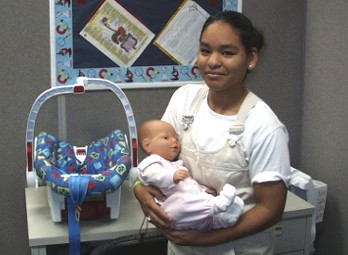
- 122 Individuals
- Ages 7- 41
- 73% school age; 27% adults
- 50% Autistic-Like; 50% Behavior/Emotional Disorders
- 61% on Positive Programming only; 39% on Positive Programming +
Supplementary Aversives (Skin-shock)
|
|
3
|
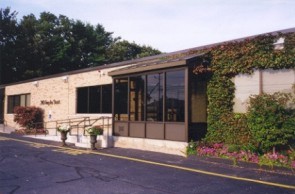
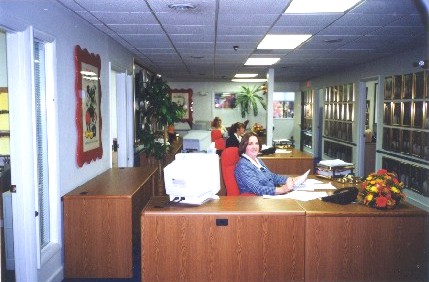
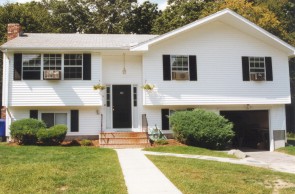
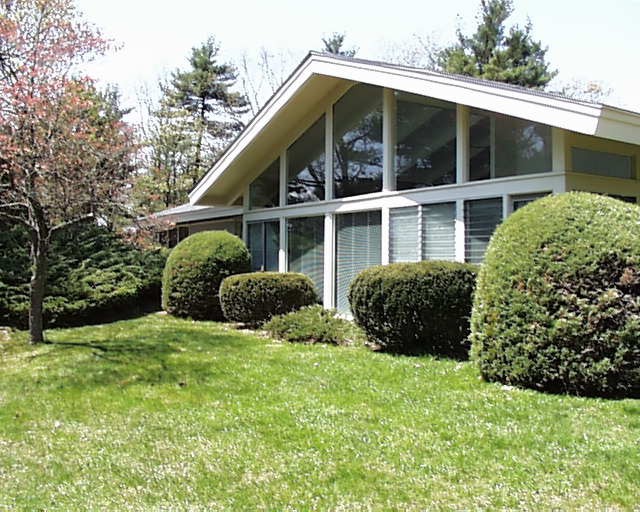
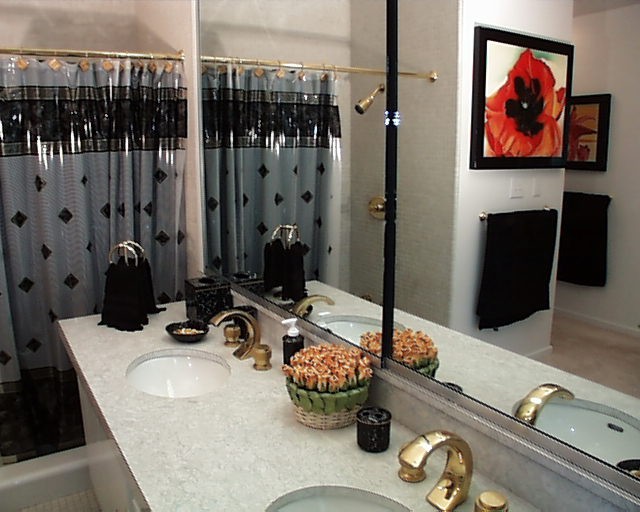
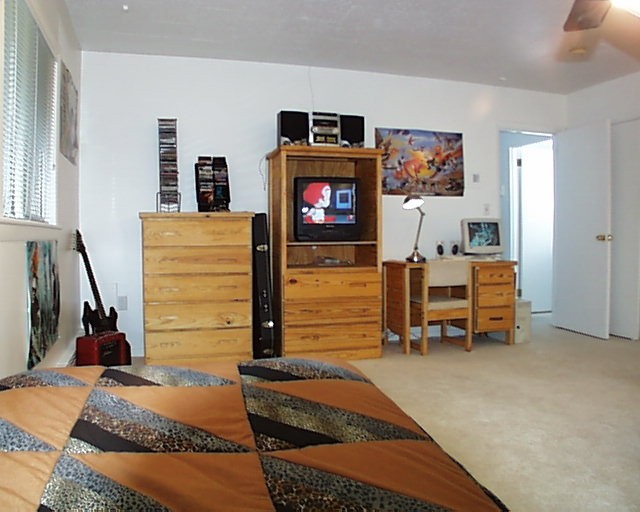
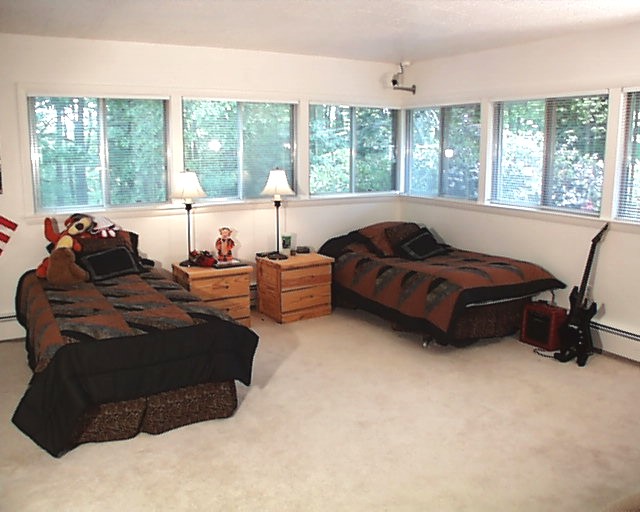
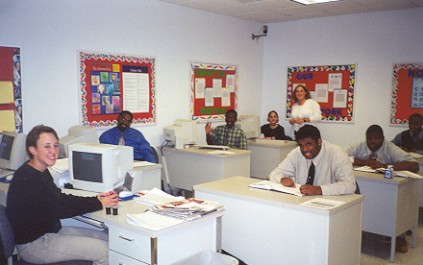
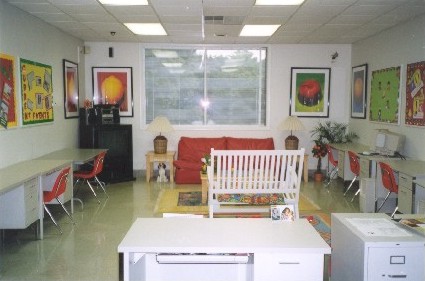
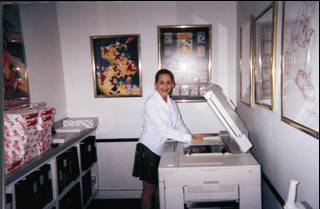
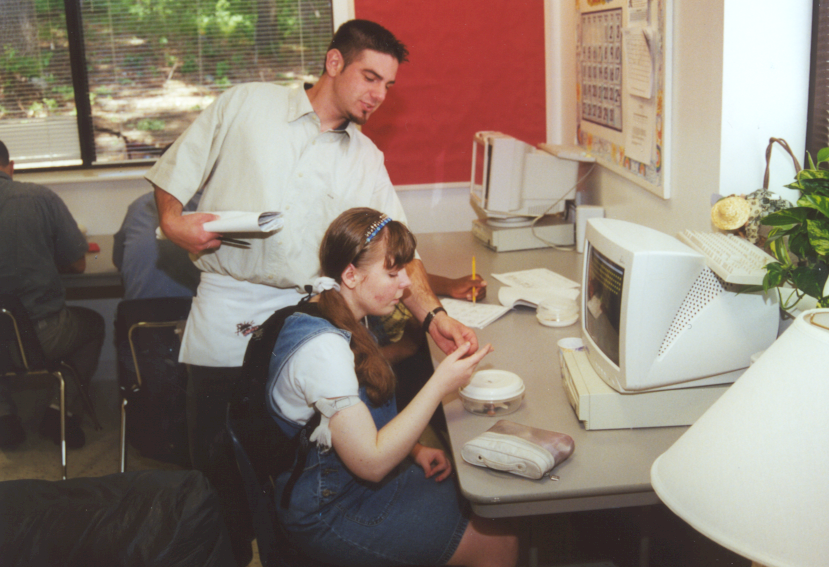
- School Building in Canton, MA (suburb of Boston)
- 21 Residences in Southeastern MA
- Canton
- Norton
- Attleboro
- Rehoboth
- Mansfield
- Stoughton
|
|
4
|
- Near-zero rejection/expulsion policy
- Average case rejected by 6 and ejected from 5 other placements
- Remove or minimize psychotropic medication
- Only 2 of 75 who have received skin-shock have also received
psychotropic medication
- Maximize 24hr, consistent behavior modification procedure
|
|
5
|
|
|
6
|
|
|
7
|
|
|
8
|
|
|
9
|
|
|
10
|
|
|
11
|
|
|
12
|
|
|
13
|
|
|
14
|
|
|
15
|
|
|
16
|
|
|
17
|
|
|
18
|
|
|
19
|
|
|
20
|
|
|
21
|
|
|
22
|
|
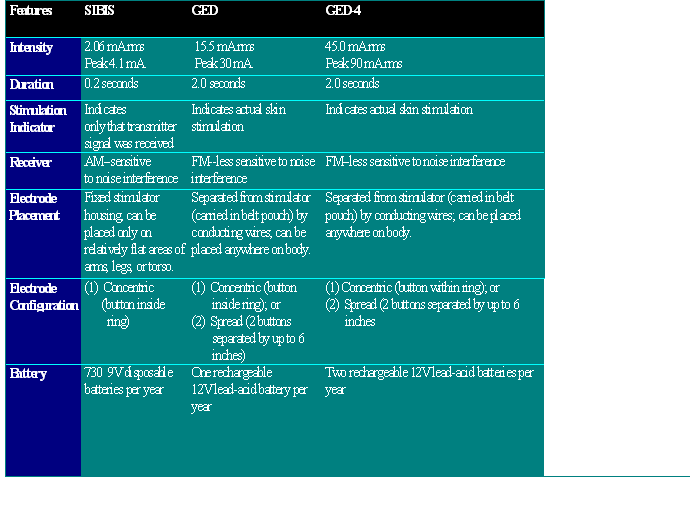
|
23
|
|
|
24
|
|
|
25
|
|
|
26
|
|
|
27
|
|
|
28
|
|
|
29
|
|
|
30
|
|
|
31
|
|
|
32
|
|
|
33
|
|
|
34
|
|
|
35
|
|
|
36
|
|
|
37
|
|
|
38
|
|
|
39
|
|
|
40
|
|
|
41
|
|
|
42
|
|
|
43
|
|
|
44
|
|
|
45
|
|
|
46
|
|
|
47
|
|
|
48
|
|
|
49
|
|
|
50
|
|
|
51
|
|
|
52
|
|
|
53
|
|
|
54
|
|
|
55
|
|
|
56
|
|
|
57
|
|
|
58
|
|
|
59
|
- Before segment shows some of the student’s most problematic behaviors
before the start of treatment.
- After segment shows the student during or after treatment.
|
|
60
|
- Currently JRC serves 122 total students
- 61% (75 students) receive positive programming only
- 39% (47) students receive positive programming plus occasional
supplementary aversives
|
|
61
|
- Water squirt (plant spray bottle)
- Vapor spray (compressed air + water)
- Pinch, spank, or muscle squeeze
- White noise/visual screen helmet
- Mechanical restraint
- Combinations of the above
|
|
62
|
- Improvement (but nowhere near as much as with skin-shock)
- Many students still in partial restraint
- Continuous struggles with many students
- Injuries to staff, students and property
|
|
63
|
- Approval by parents/guardians
- Individual authorization by family court
- Human Rights Committee
- Peer Review Committee
- Medical and psychiatric contraindications sign-off
- Daily review by nursing staff
|
|
64
|
- Close management of direct care staff
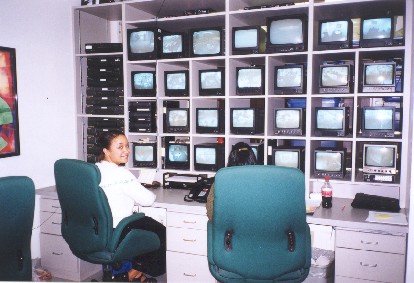
- Video monitoring during school
- Video monitoring at residences
- Review of videotapes of each evening and overnight at residences
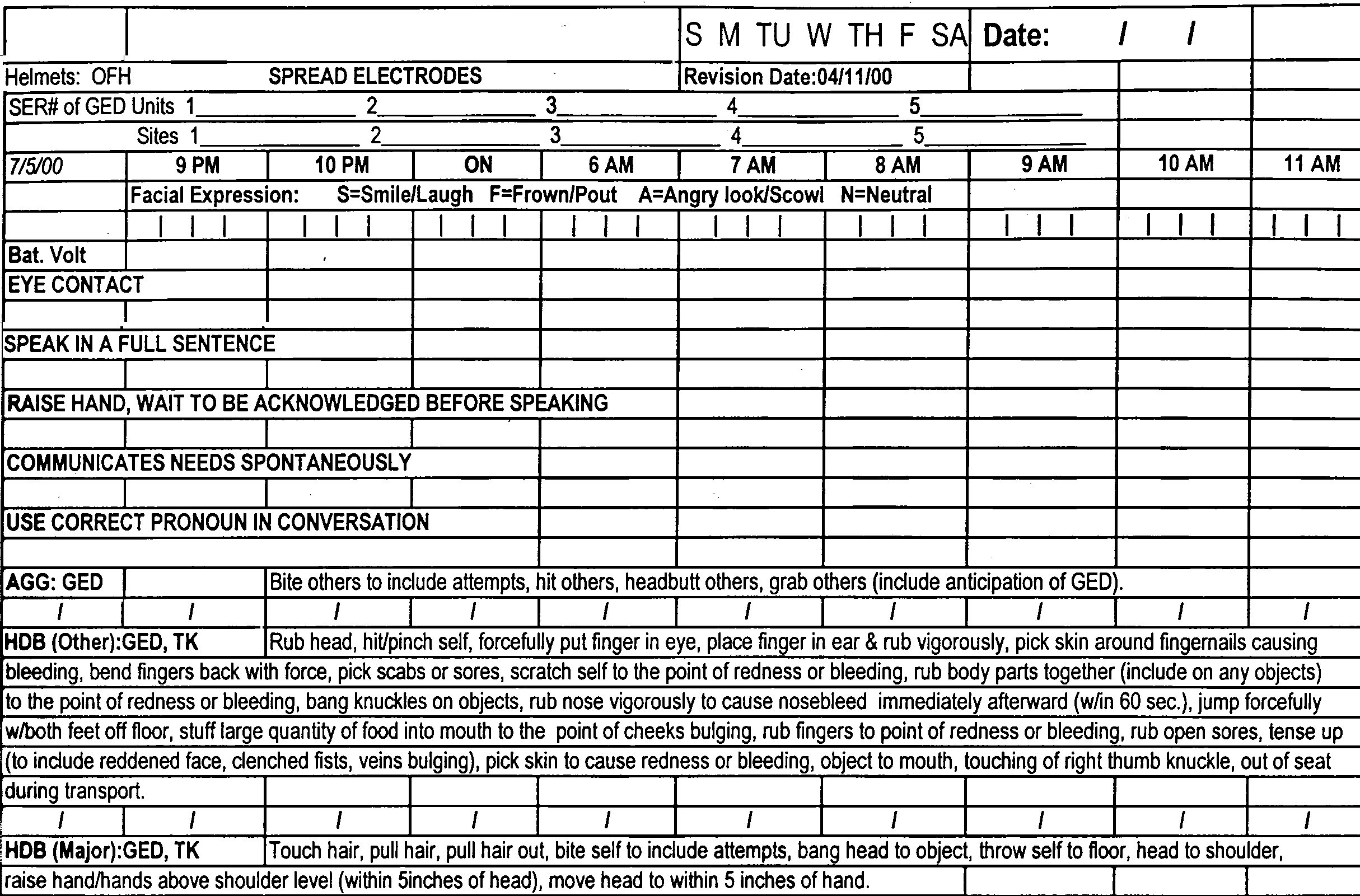
- Extensive recording and charting of behaviors
|
|
65
|
|
|
66
|
|
|
67
|
|
|
68
|
|
|
69
|
|
|
70
|
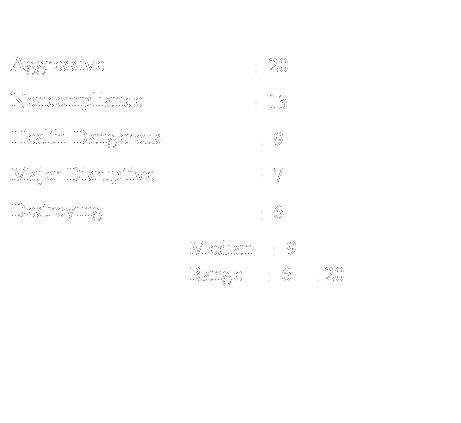
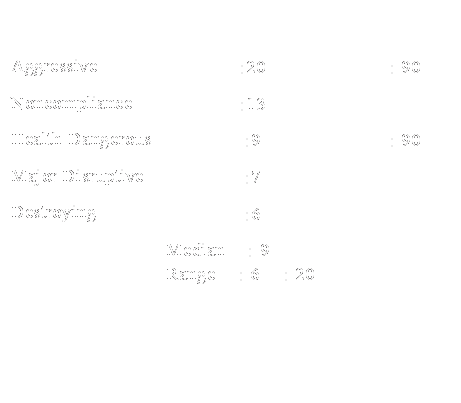
- Wide variety of behaviors treated
- Health Dangerous (includes self-abuse)
- Aggressive
- Property Destruction
- Noncompliance
- Inappropriate urination/defecation
- Major Disruptive
- Simultaneous treatment of all behaviors
- Treatment of antecedents, attempts, and incipient stages
|
|
71
|
- Treatment of shaped down versions
- Occasional: preventive treatment through behavioral rehearsal lessons
- Holidays to assist recovery from adaptation
- Occasional: use in negative reinforcement paradigm
- Occasional: punishment of wrong answers as refusal behavior
|
|
72
|
|
|
73
|
|
|
74
|
|
|
75
|
|
|
76
|
|
|
77
|
|
|
78
|
|
|
79
|
|
|
80
|
|
|
81
|
|
|
82
|
|
|
83
|
|
|
84
|
|
|
85
|
|
|
86
|
|
|
87
|
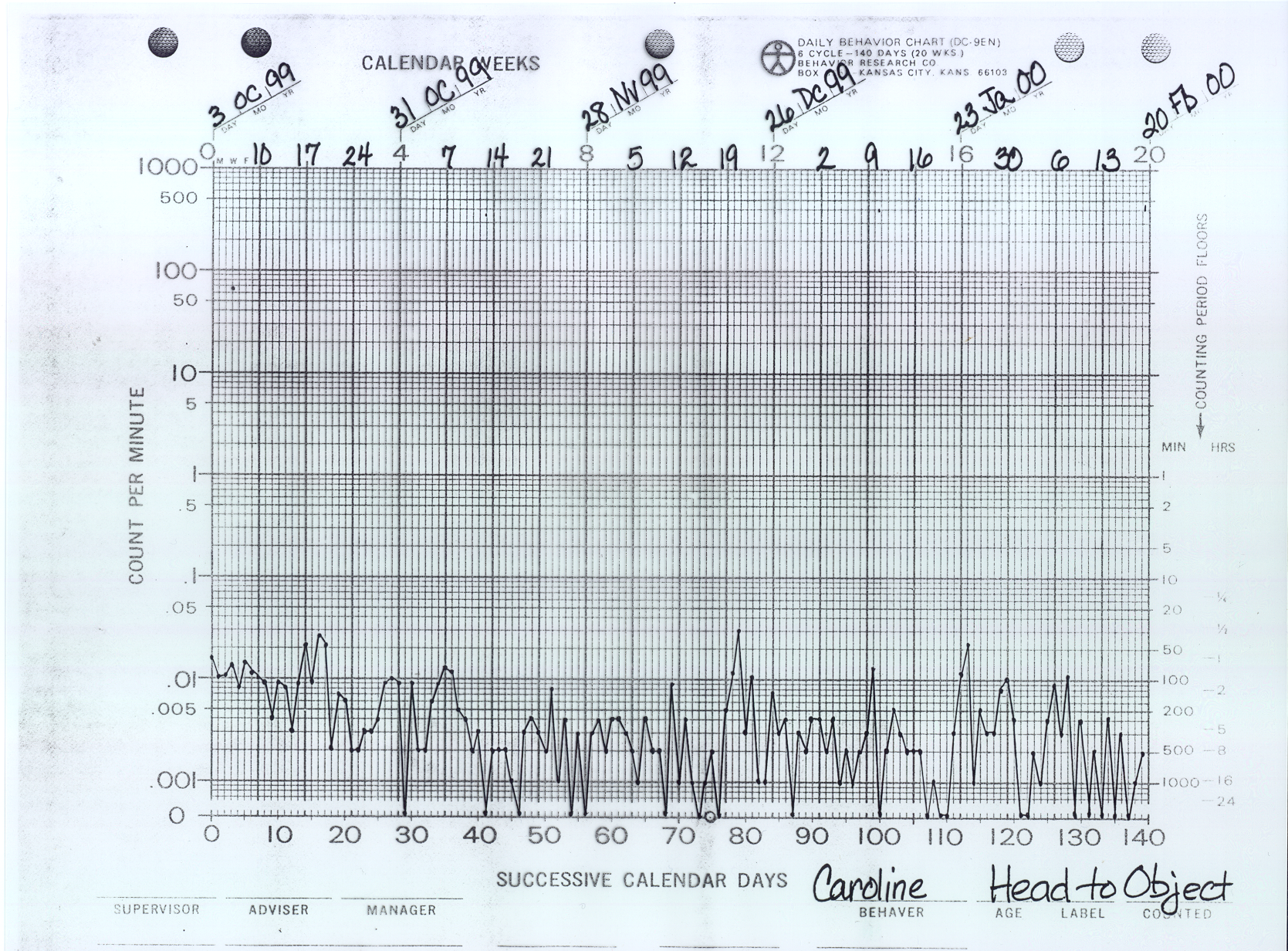
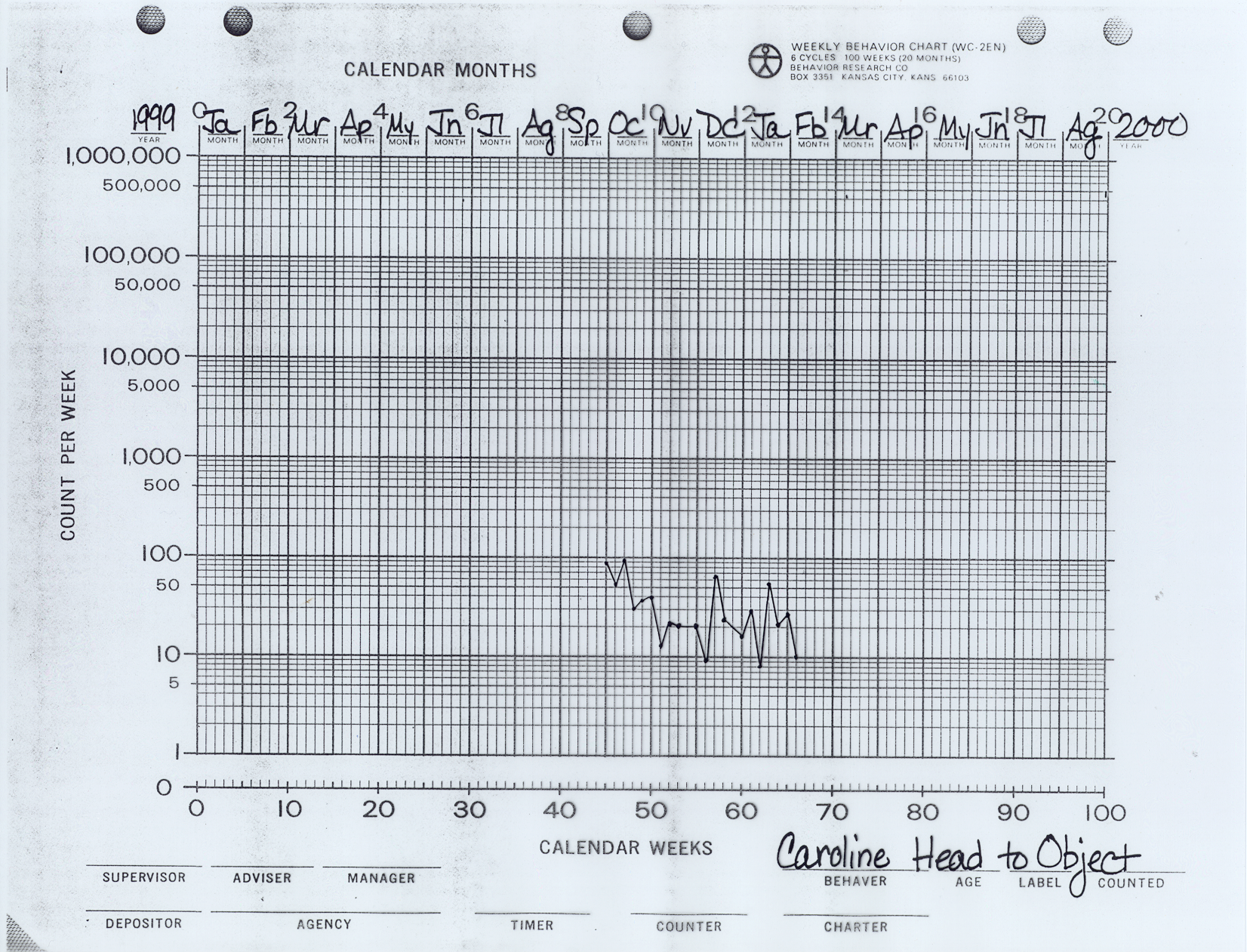
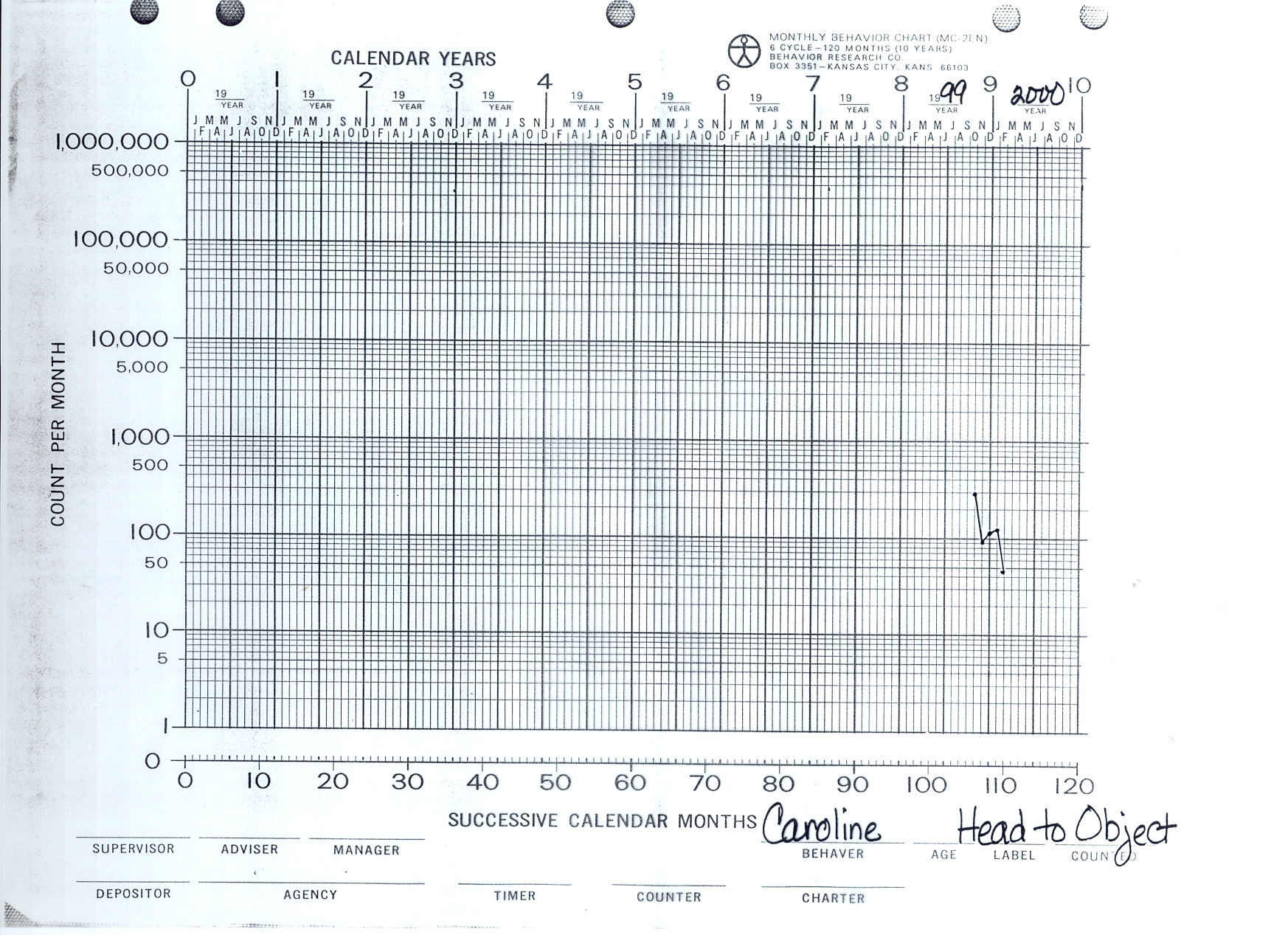
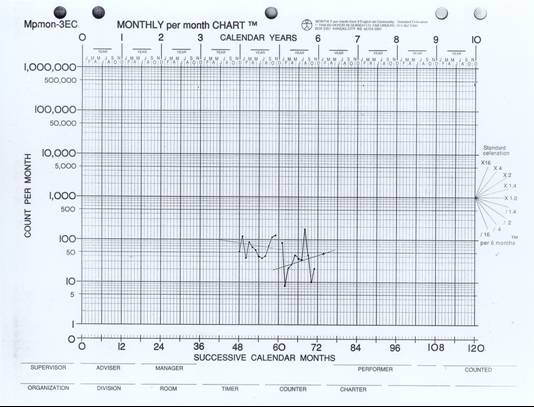
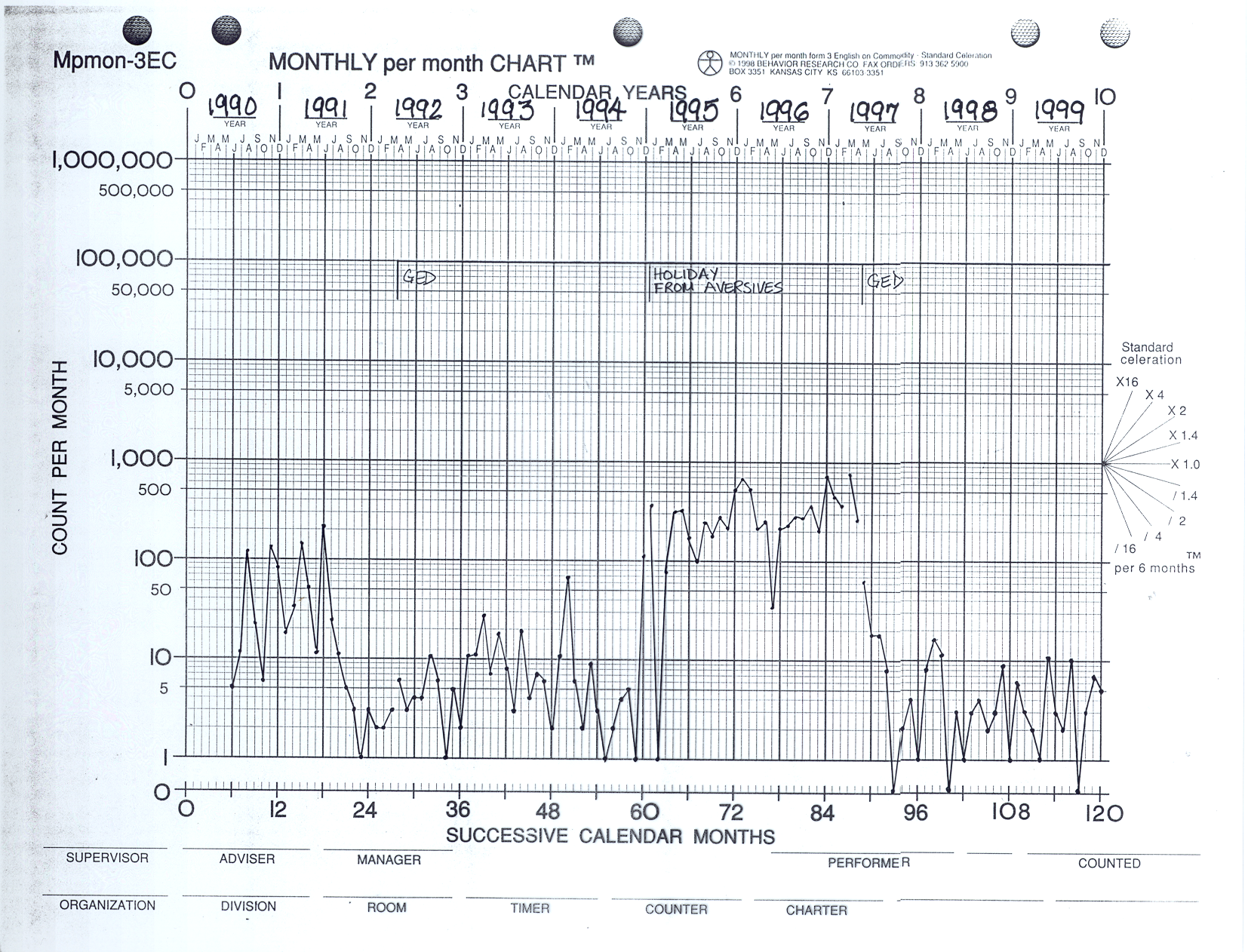
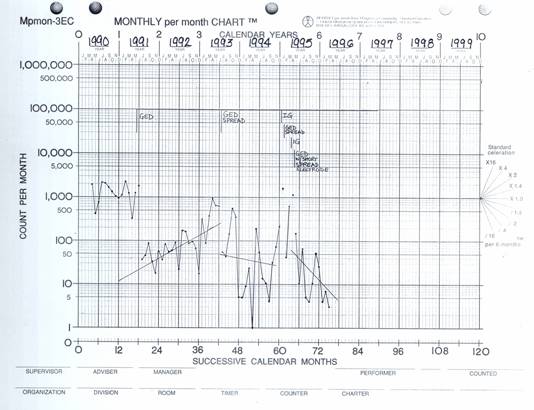
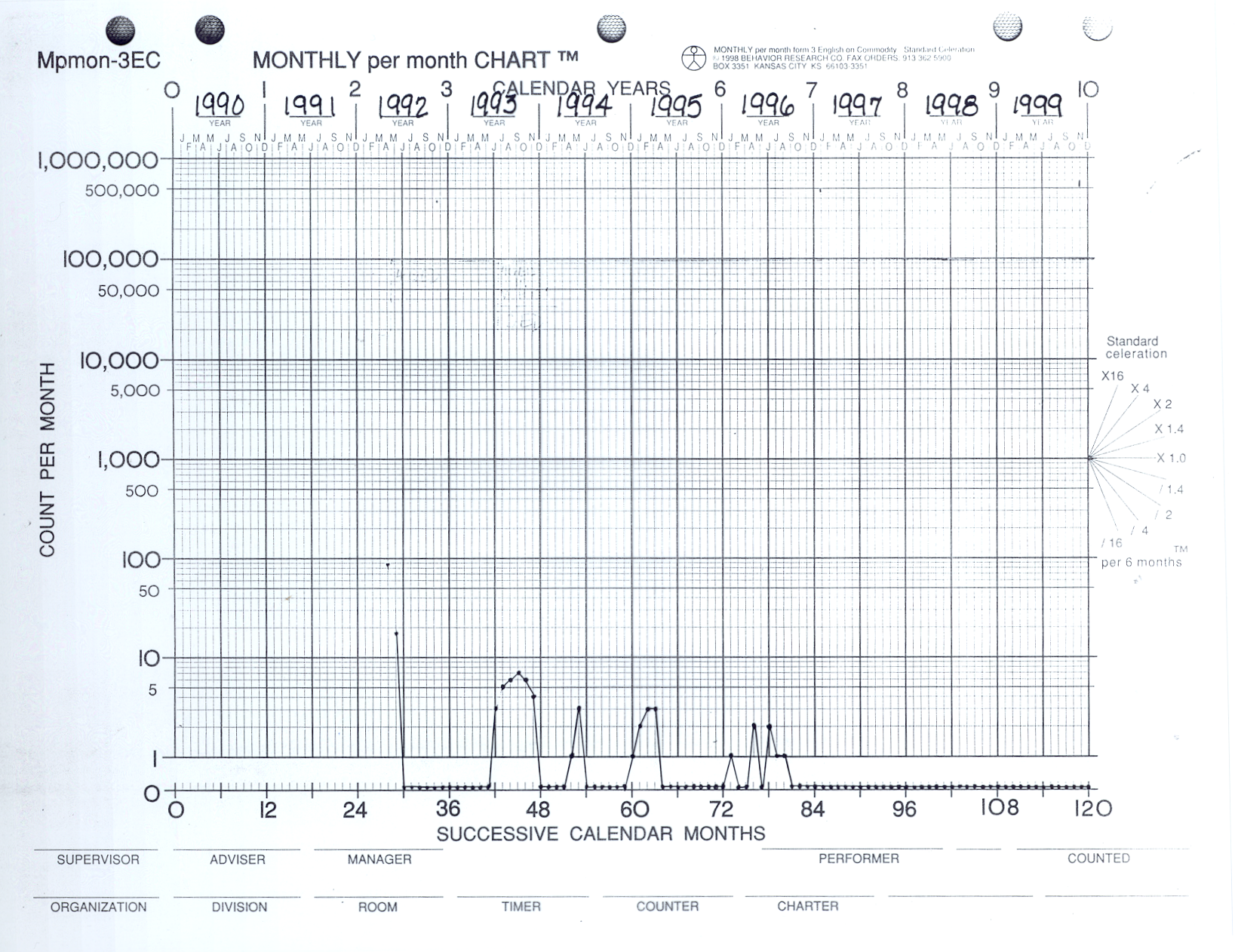
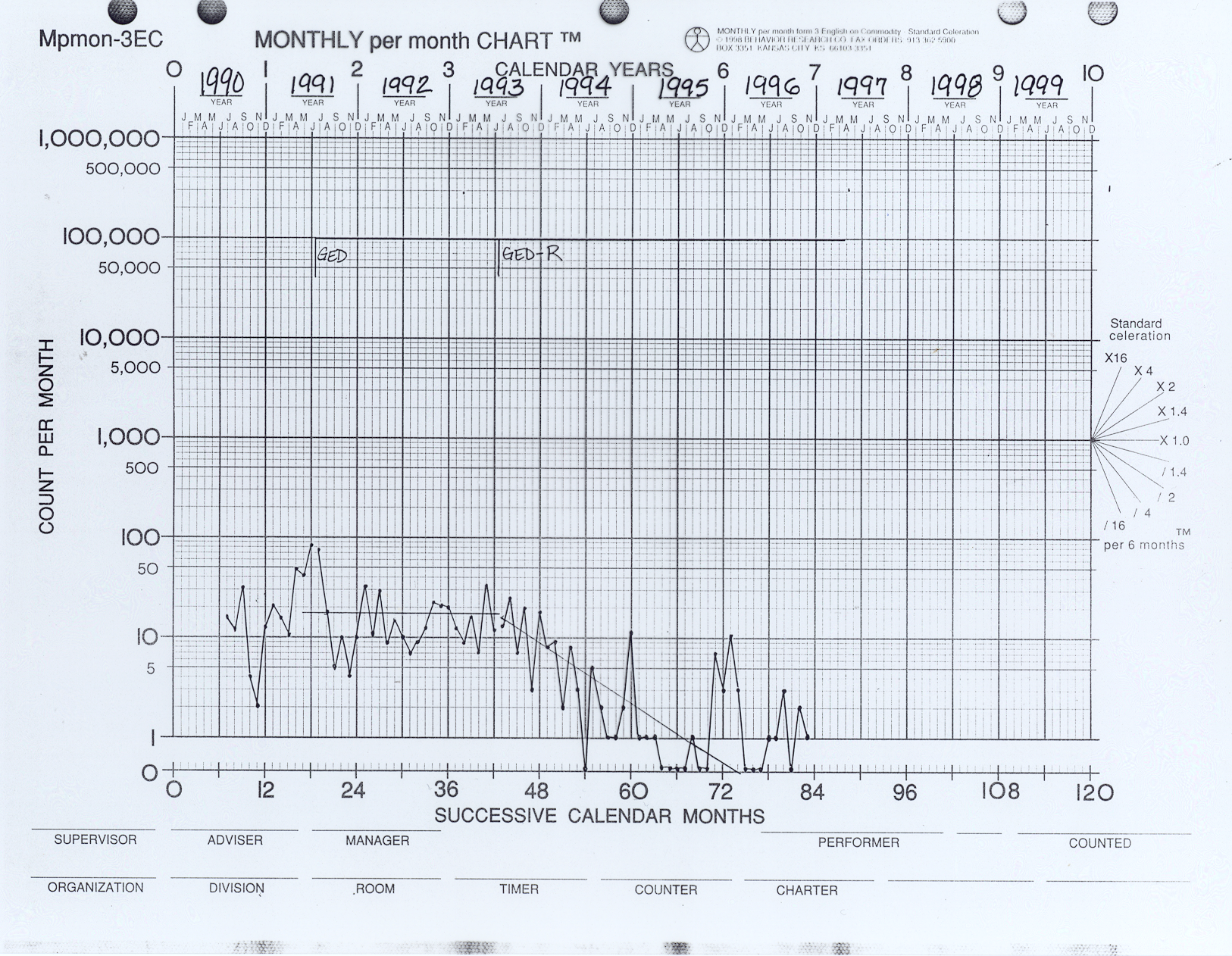
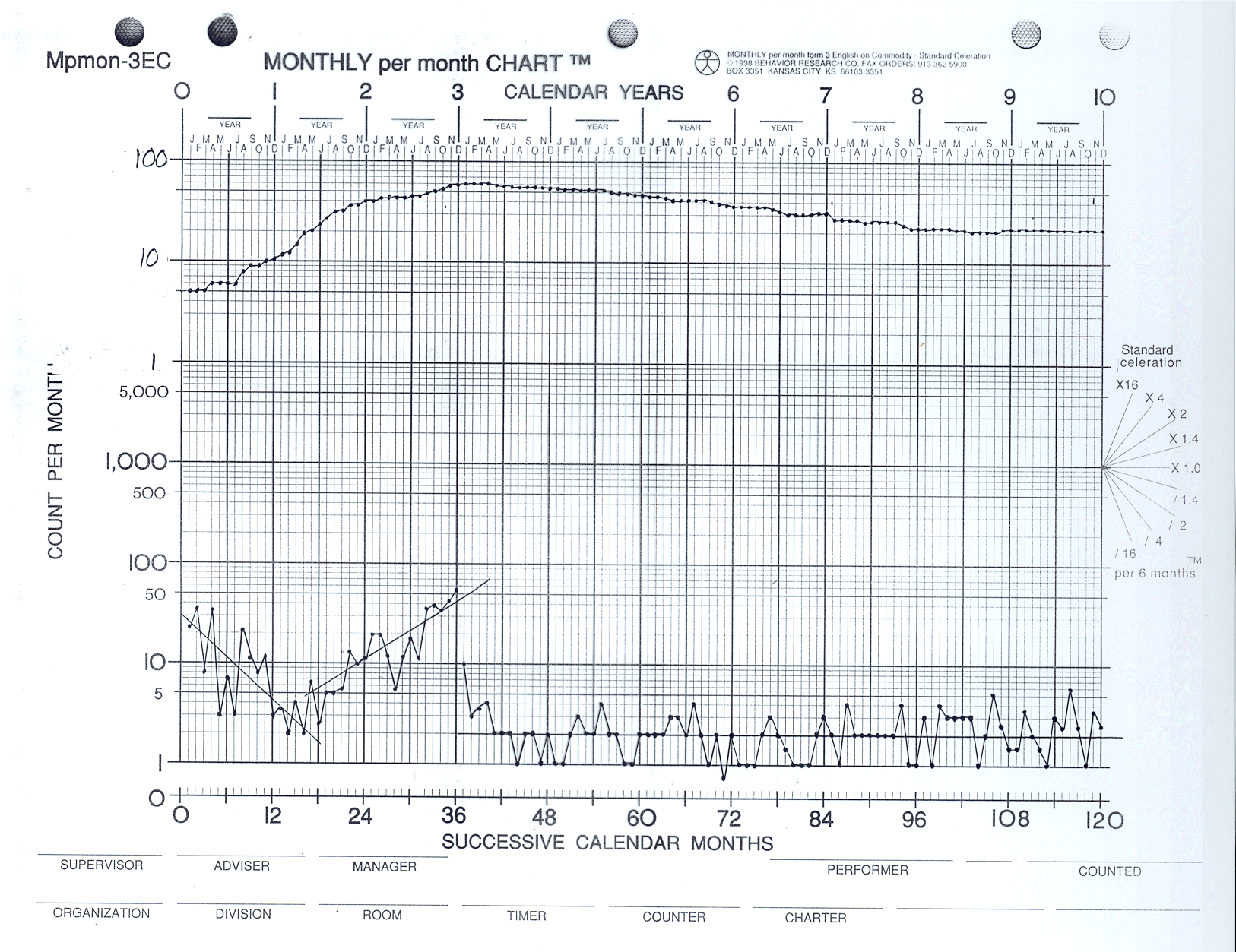
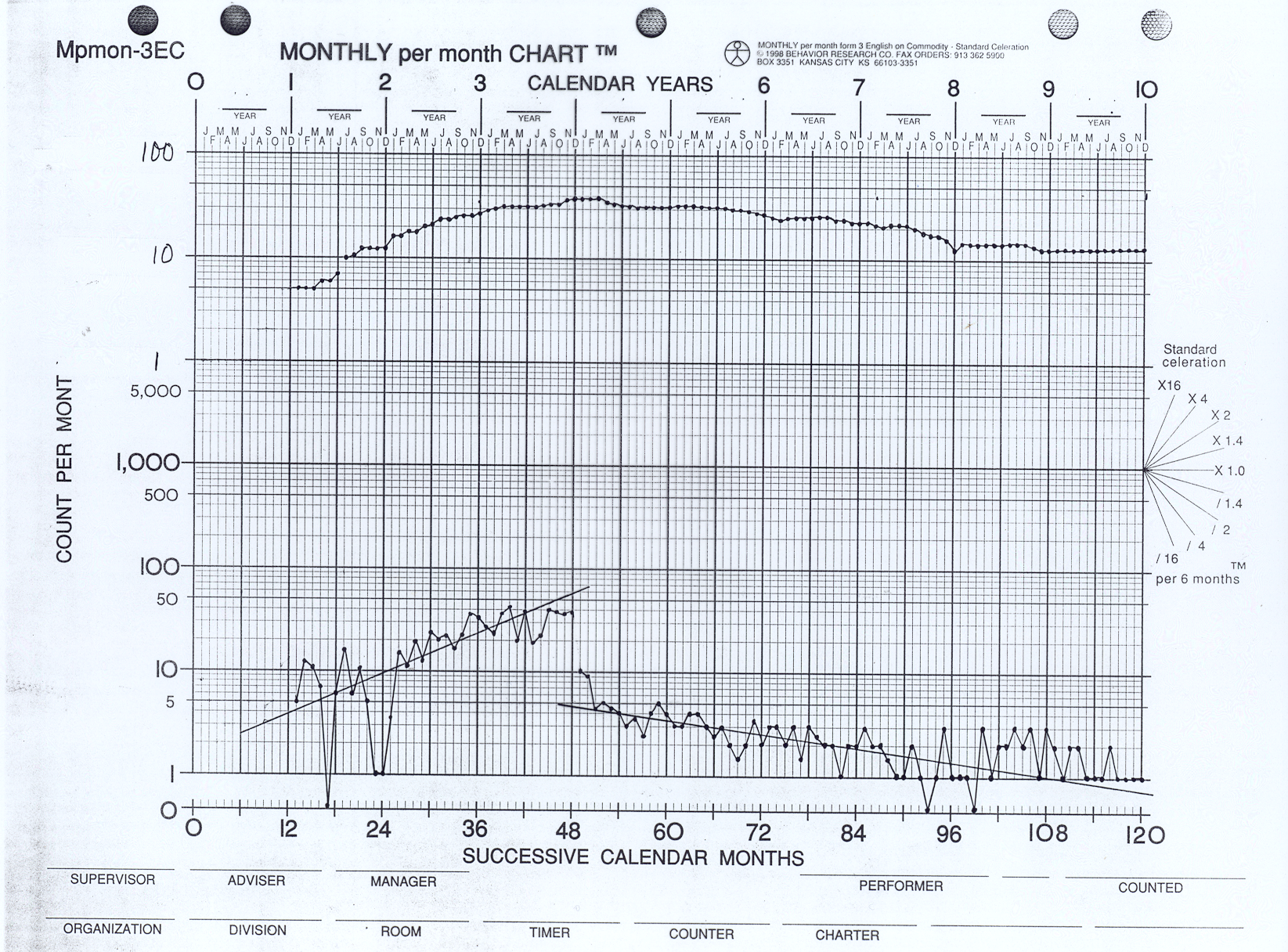
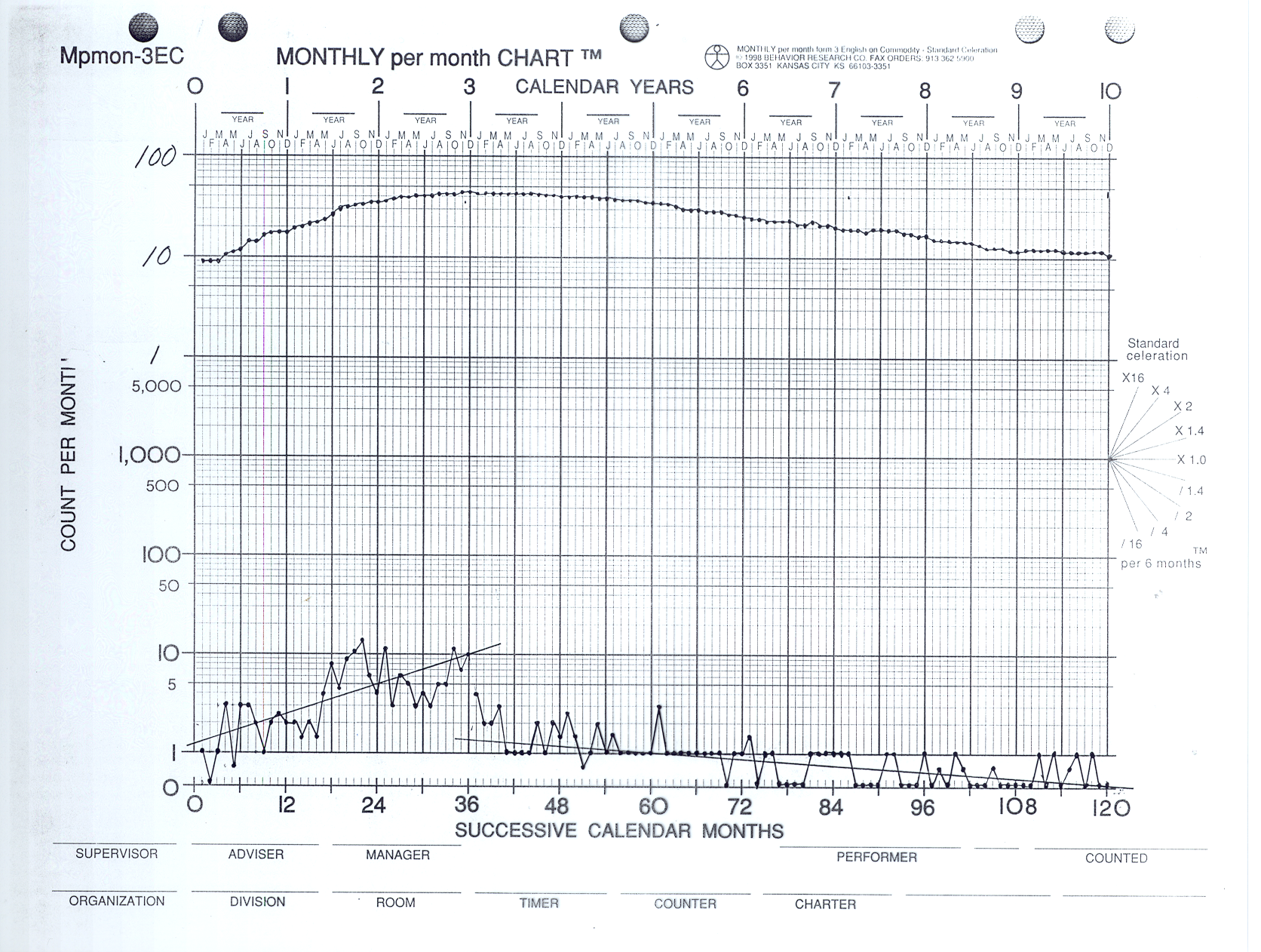
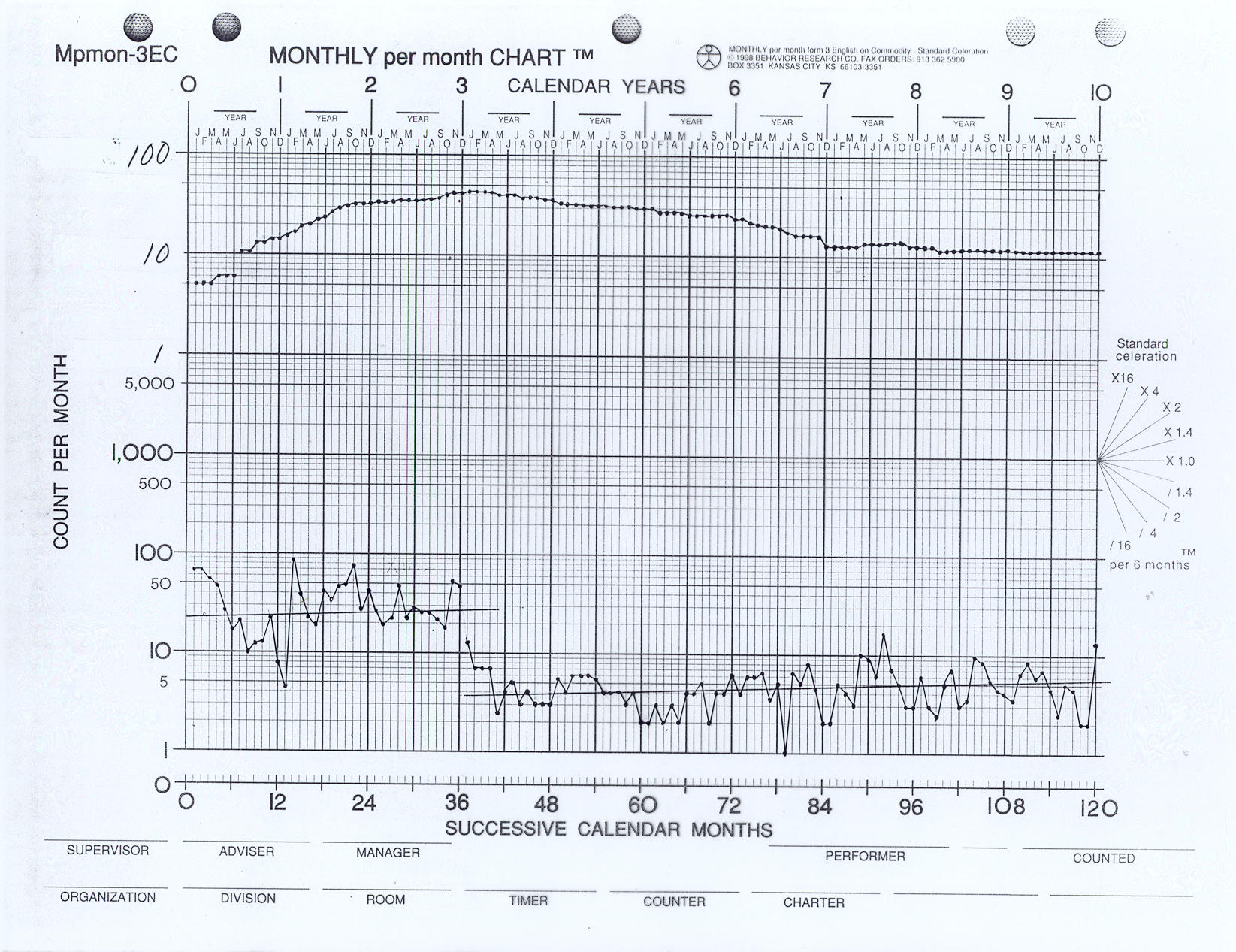
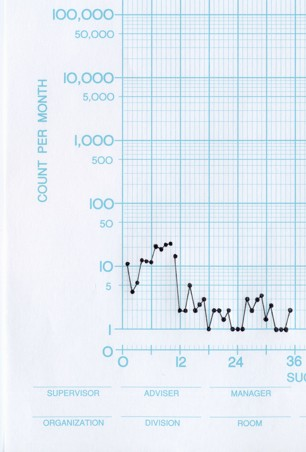
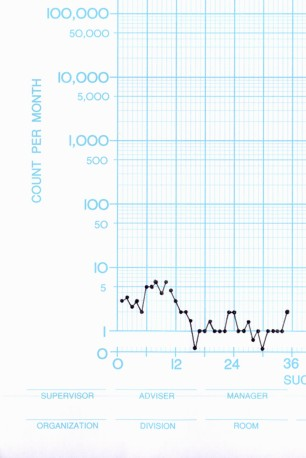
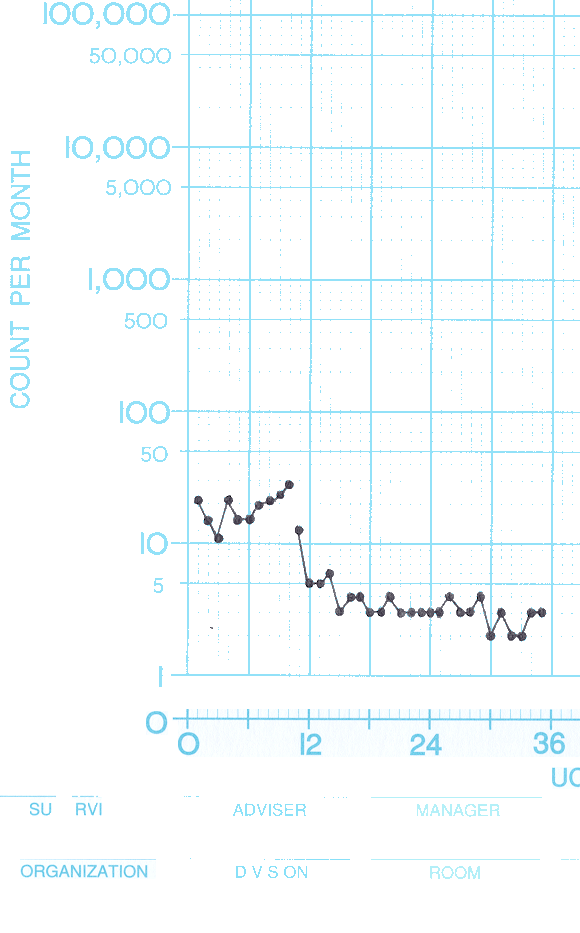
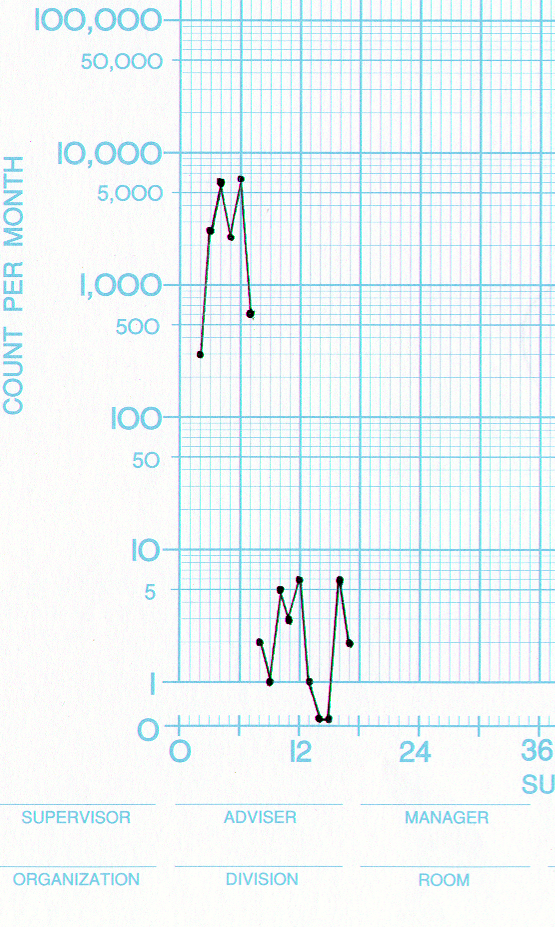
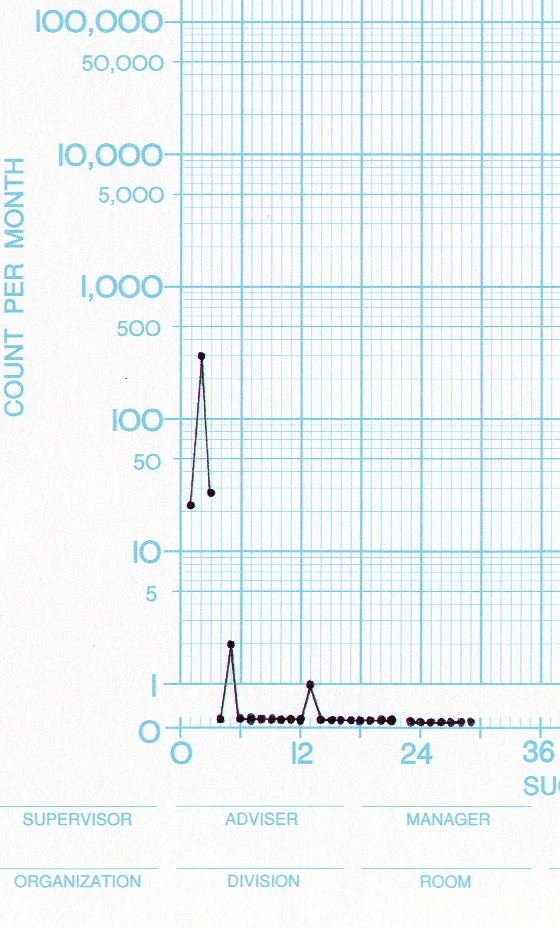
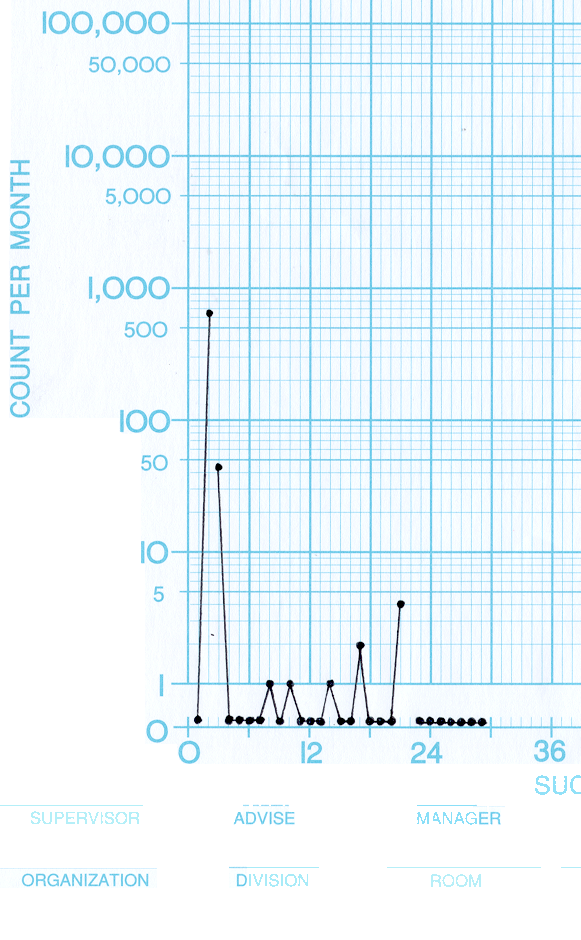
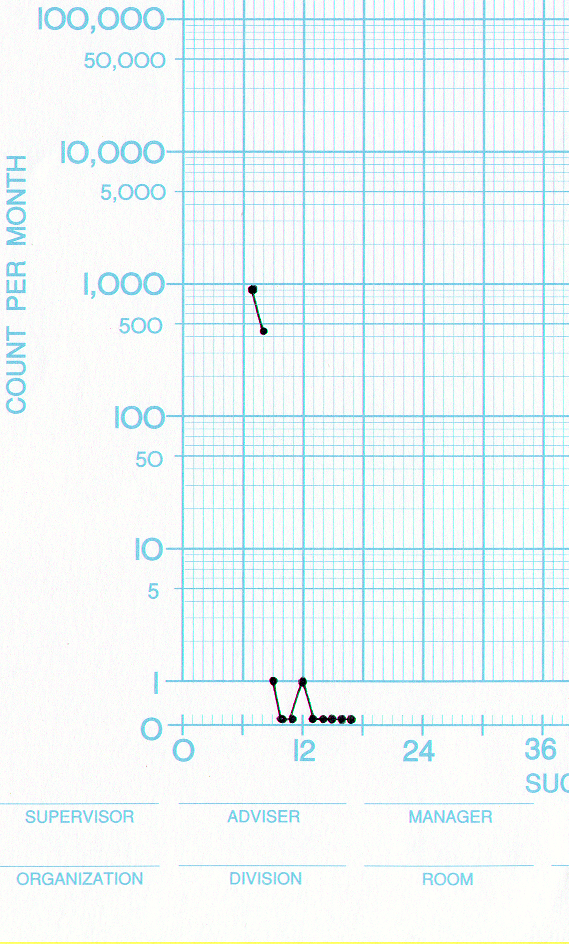
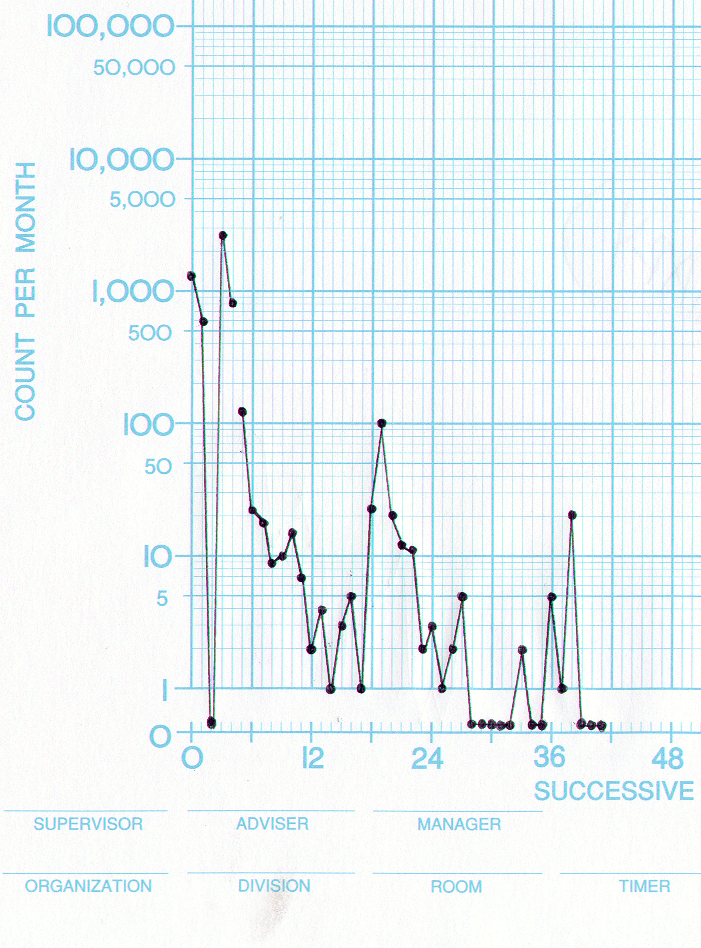
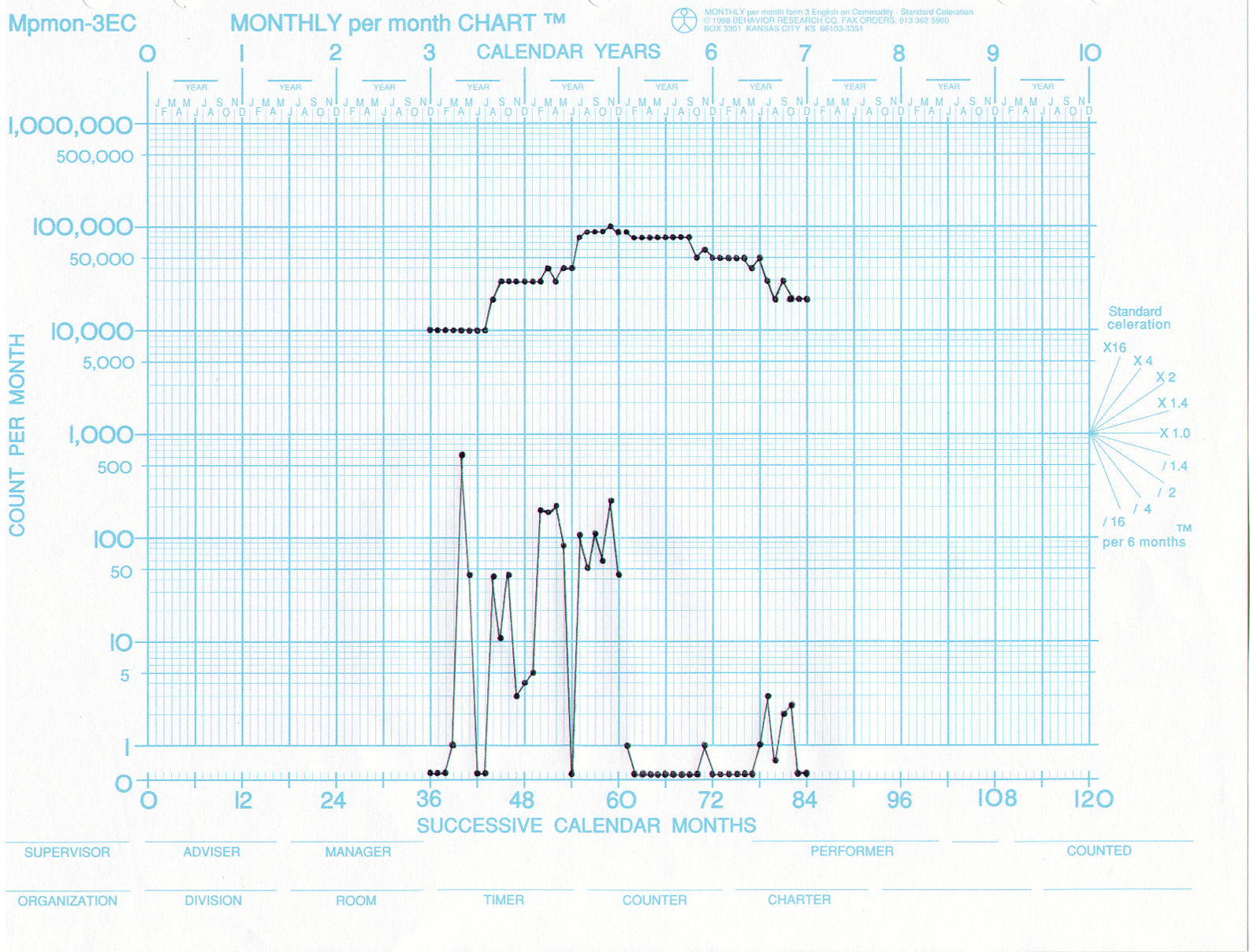
- This is 1 application every 5 days
- 47 of 122 current students (39%) have GED in their program.
- For 37% of these 47 students the median frequency is 0/wk
|
|
88
|
|
|
89
|
|
|
90
|
|
|
91
|
|
|
92
|
|
|
93
|
|
|
94
|
|
|
95
|
|
|
96
|
|
|
97
|
|
|
98
|
|
|
99
|
|
|
100
|
|
|
101
|
|
|
102
|
|
|
103
|
- Emotionally Disturbed
- Psychotic
- Post-traumatic Stress Disorder
- PDD
- ADHD
- Oppositional/Defiant Disorder
- Obsessive/Compulsive Disorder
- Conduct Disordered
- Behavior problems such as truancy, aggression, depression, suicidal
actions, fire setting, etc.
|
|
104
|
|
|
105
|
|
|
106
|
|
|
107
|
|
|
108
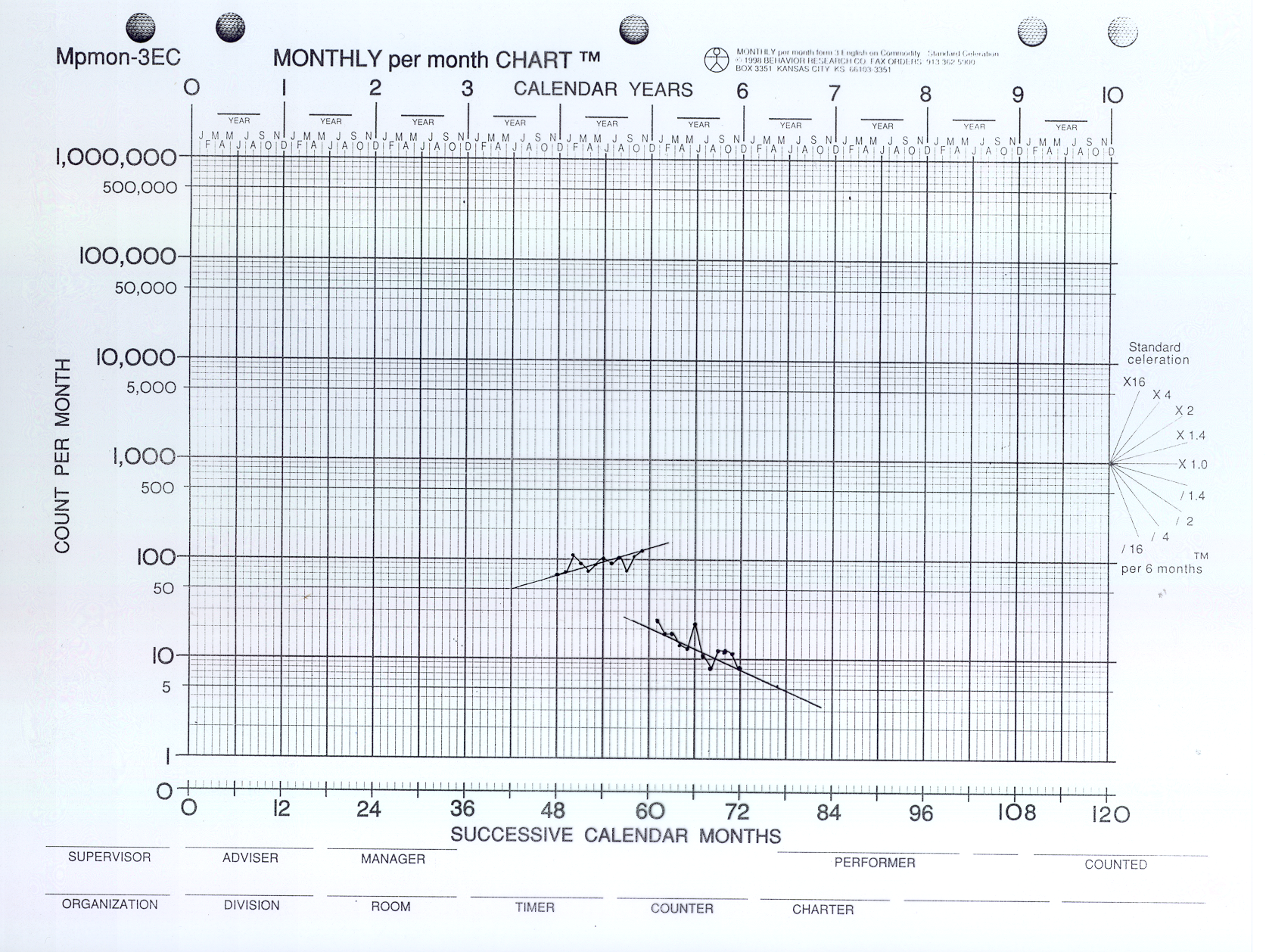
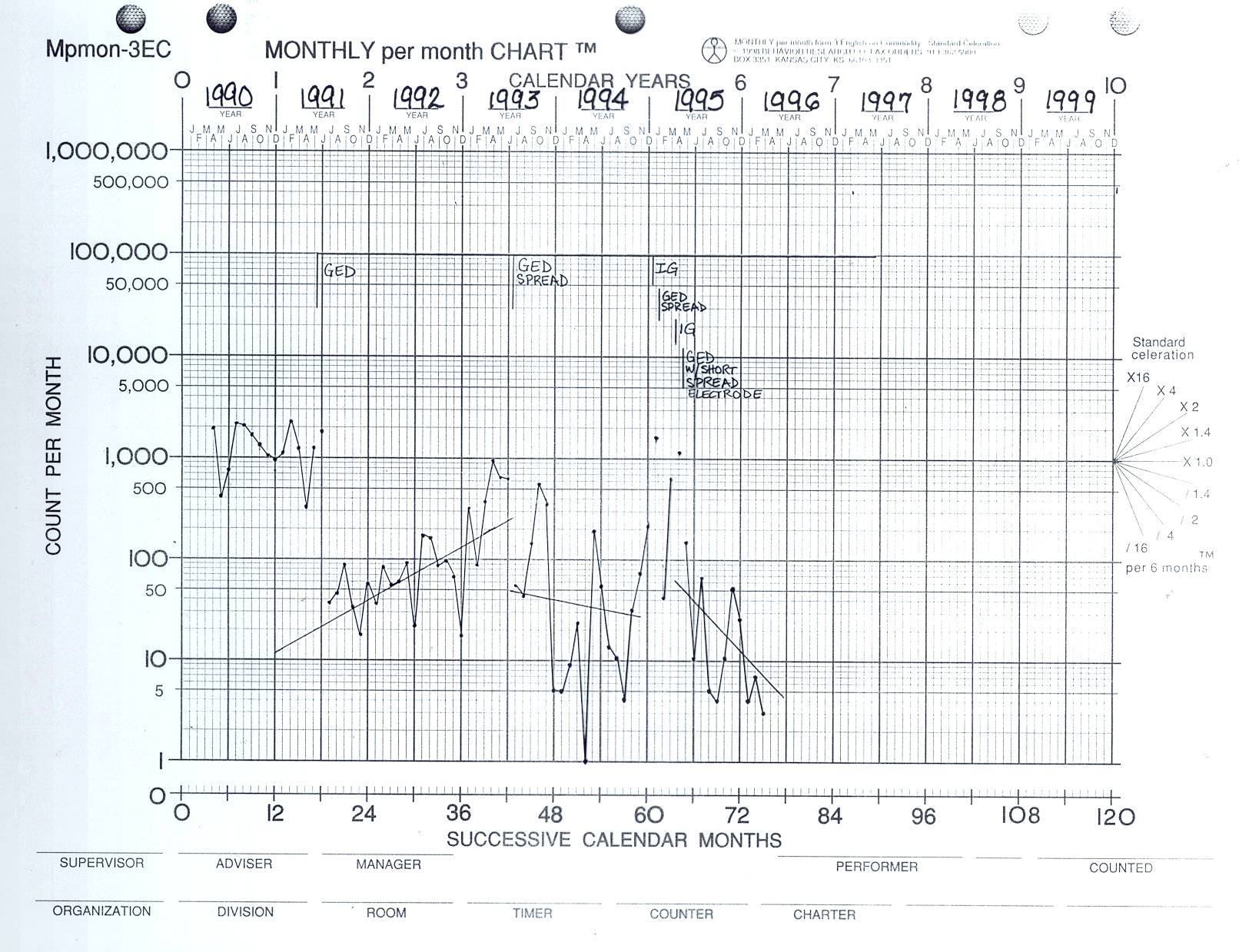
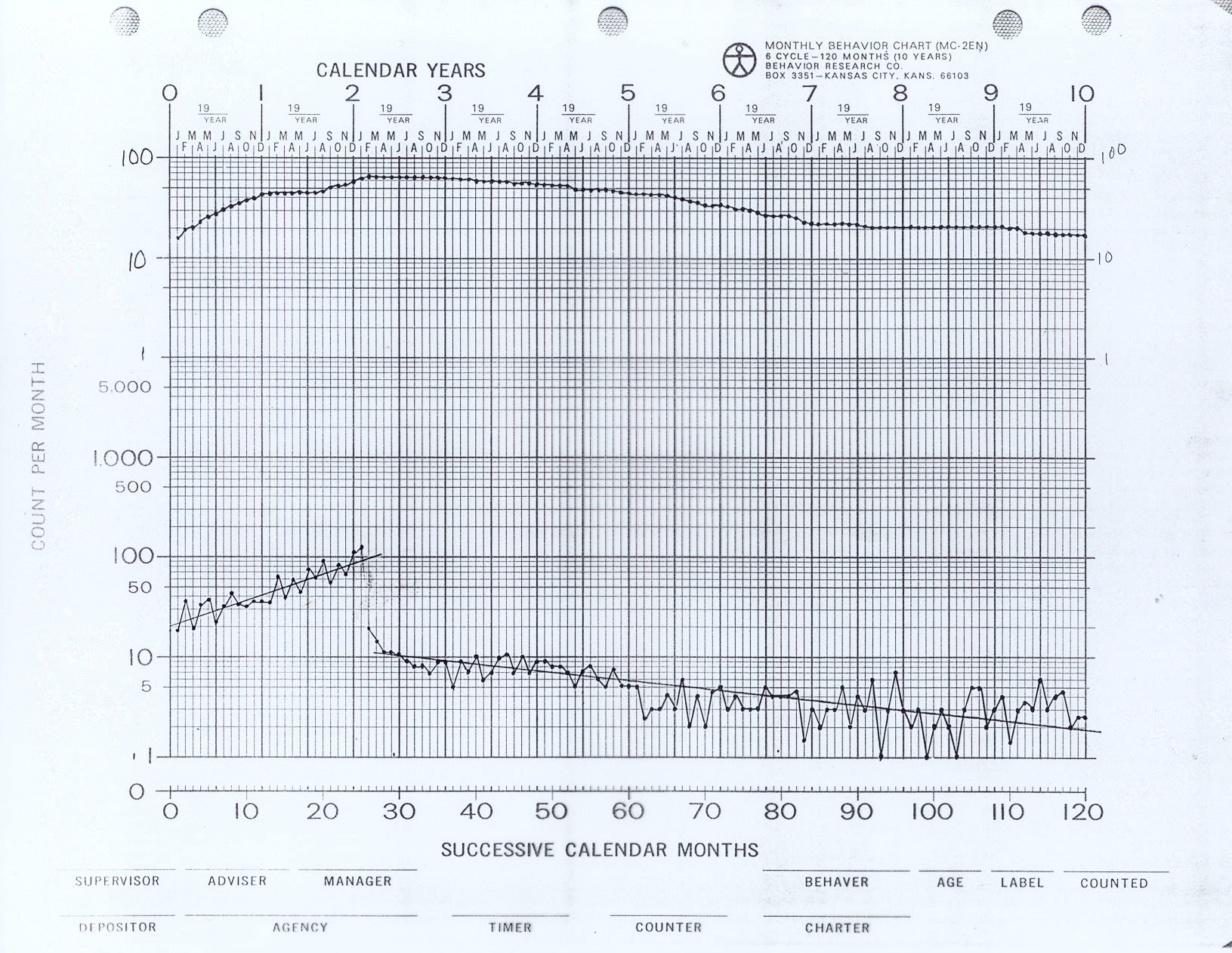
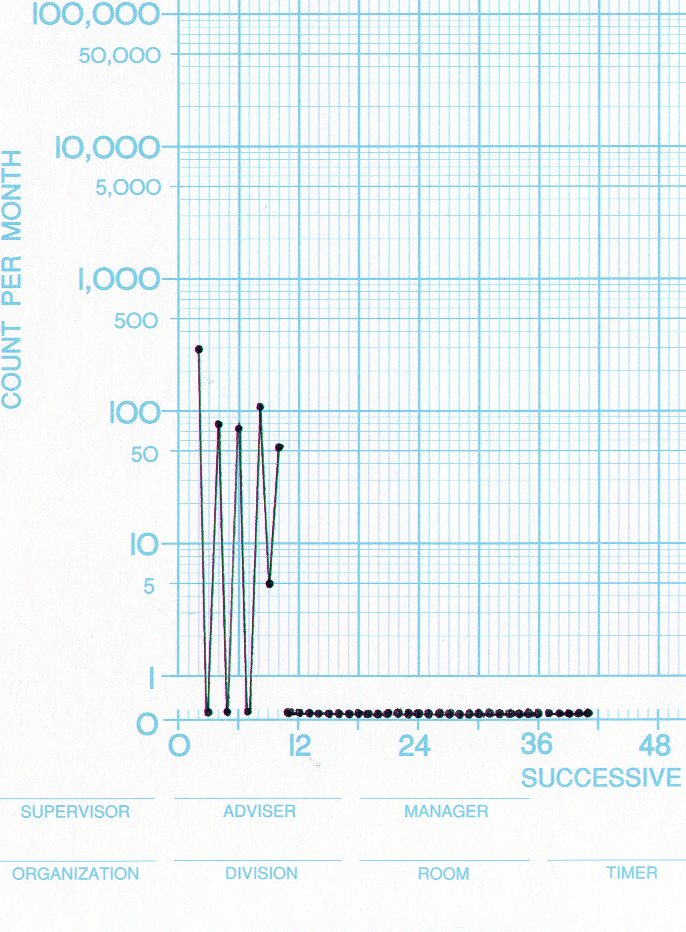
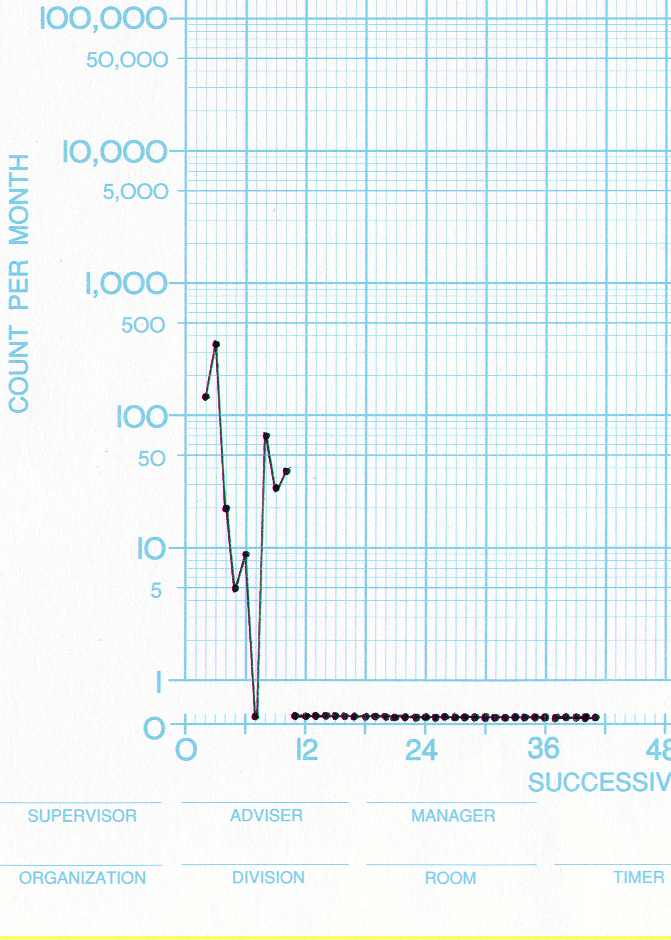
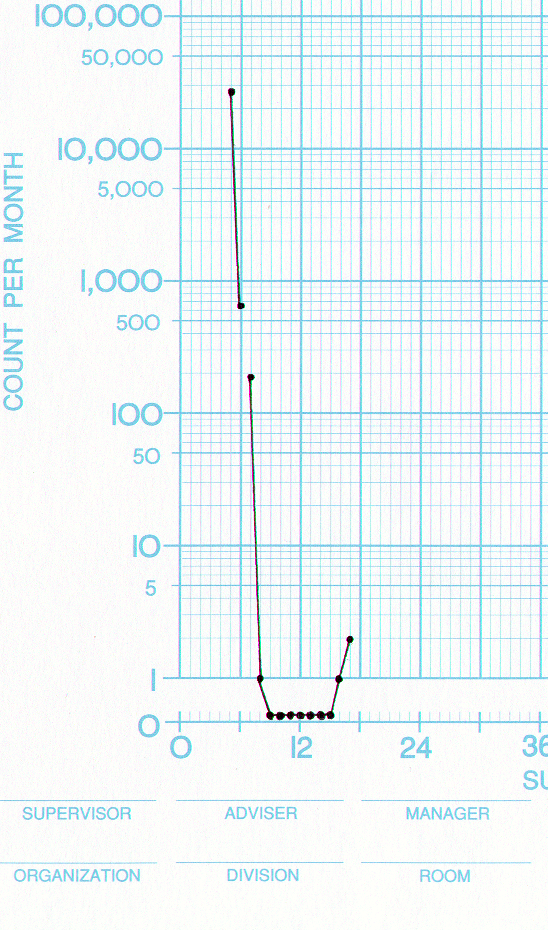
|
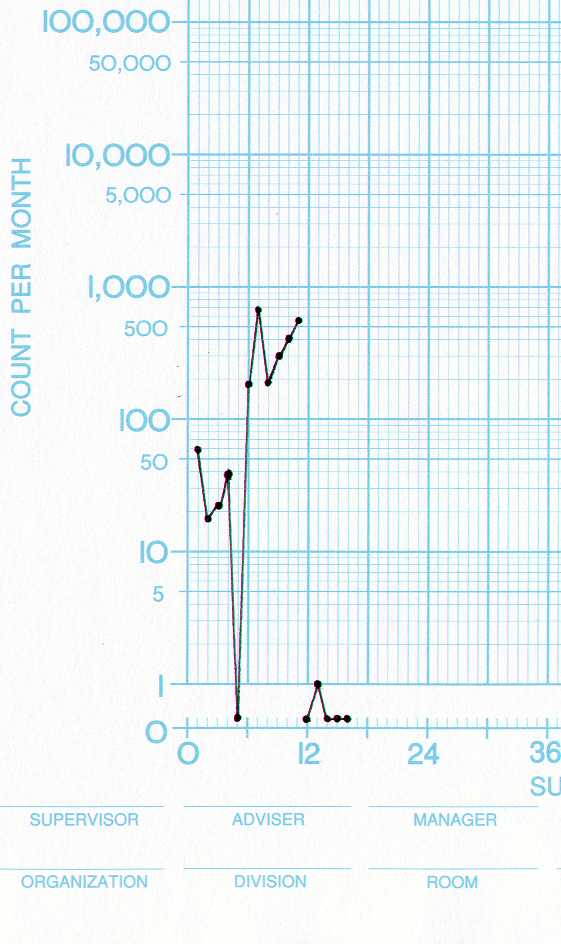
- Higher jump-downs
- Jump-downs usually go to zero
- Frequencies stay at zero
- Fading of GED more feasible.
- Non-treated behaviors also go to zero
|
|
109
|
- Effective over long period (up to 10 years)
- Desirability of treating earliest possible phase of the behavior
- Treatment of wide variety of behaviors feasible (health dangerous,
aggression, destruction, noncompliance, major disruptive, inapp.
urination/ defecation,etc.)
- Simultaneous treatment of all behaviors feasible
|
|
110
|
- Potential for preventive use (behavioral rehearsal lessons)
- Usefulness of negative reinforcement
- Start with most intense stimulus available (avoid working up the
intensity ladder)
- Occasional effectiveness through verbal mediation
- Especially effective with higher functioning students
|
|
111
|
- Desirable features of device:
- Adequately high intensity level
- Wire-attached electrodes
- Spread electrodes
- Multiple electrodes
- Holidays from treatment may promote recovery from adaptation
- Absence of side effects
- A treatment of first choice for significant problem behaviors
|
|
112
|
- Abstract of Presentation/Program Description (1 sheet, both sides)
- JRC Newsletter
- Powerpoint printout of key slides
|
|
113
|
- Site on skin-shock, with abstracts and texts of this symposium:
- www.geocities.com/effectivetreatment
- Judge Rotenberg Center’s web site:
|
|
114
|
|

 Notes
Notes